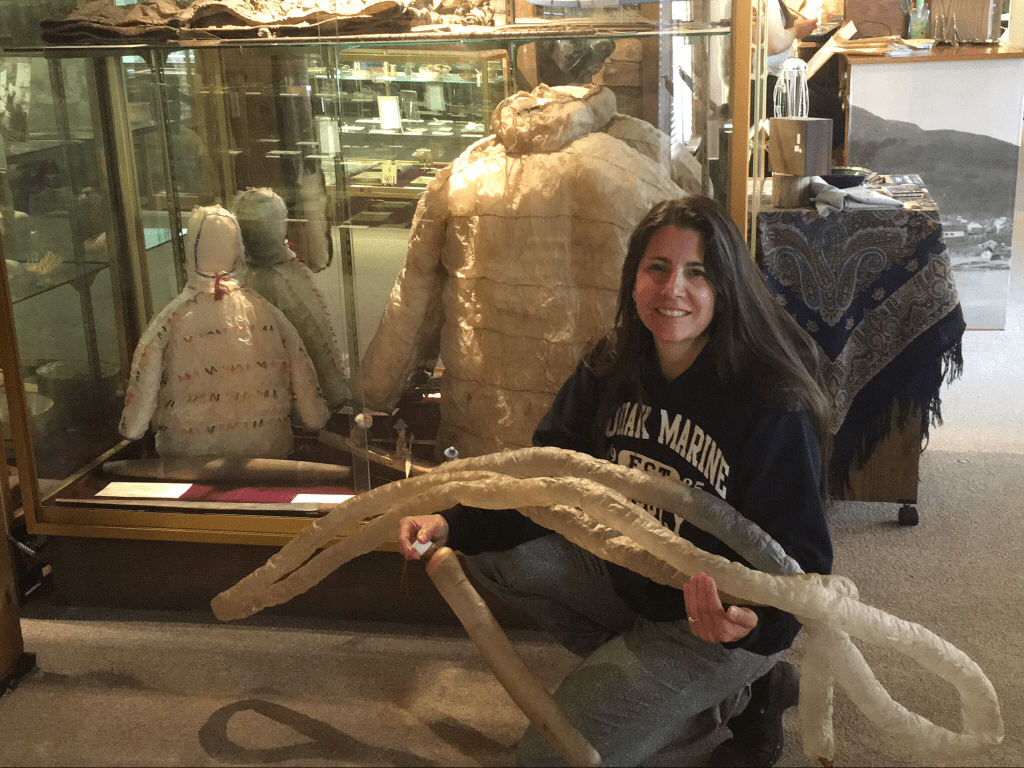
For thousands of years this material was sewn by Alutiiq women into waterproof garments and other items essential to thrive in the island’s cold and wet environment.
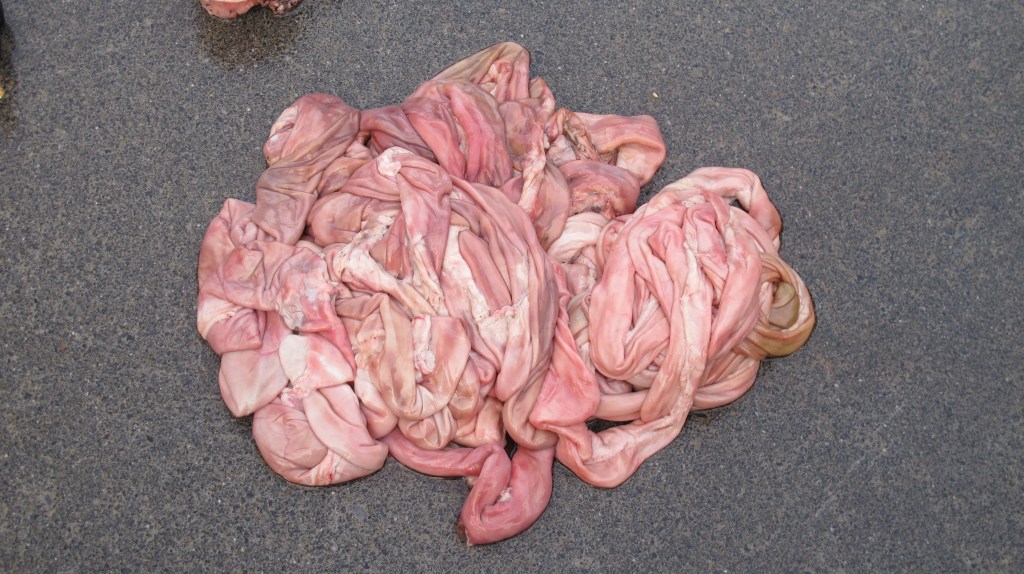
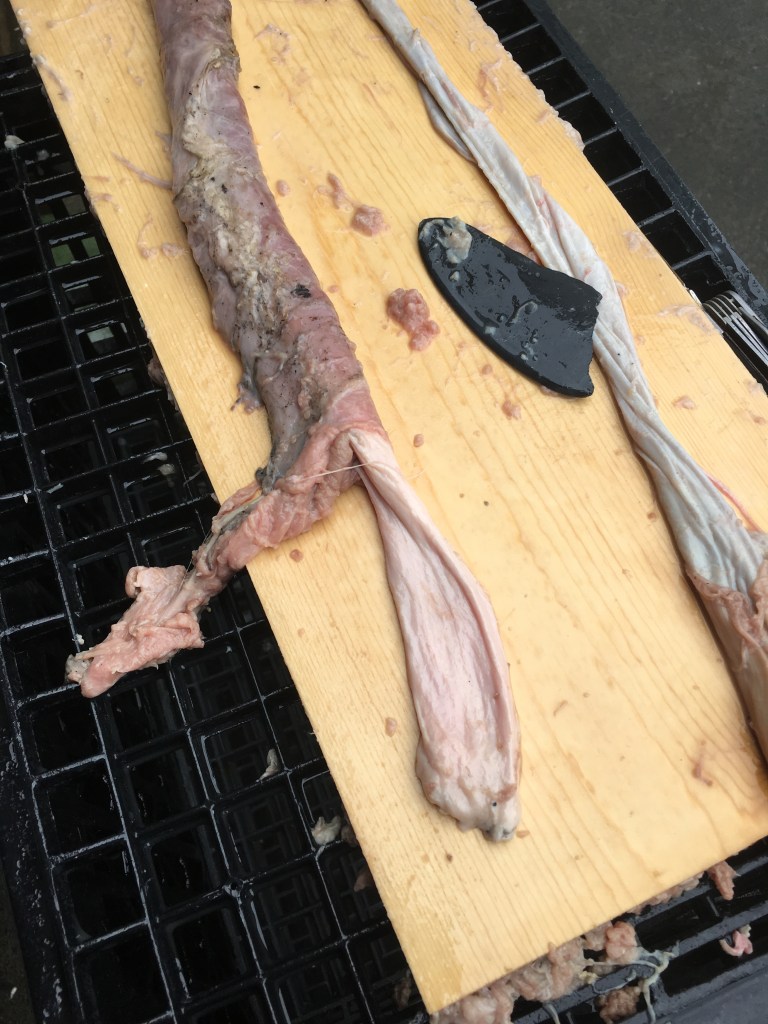
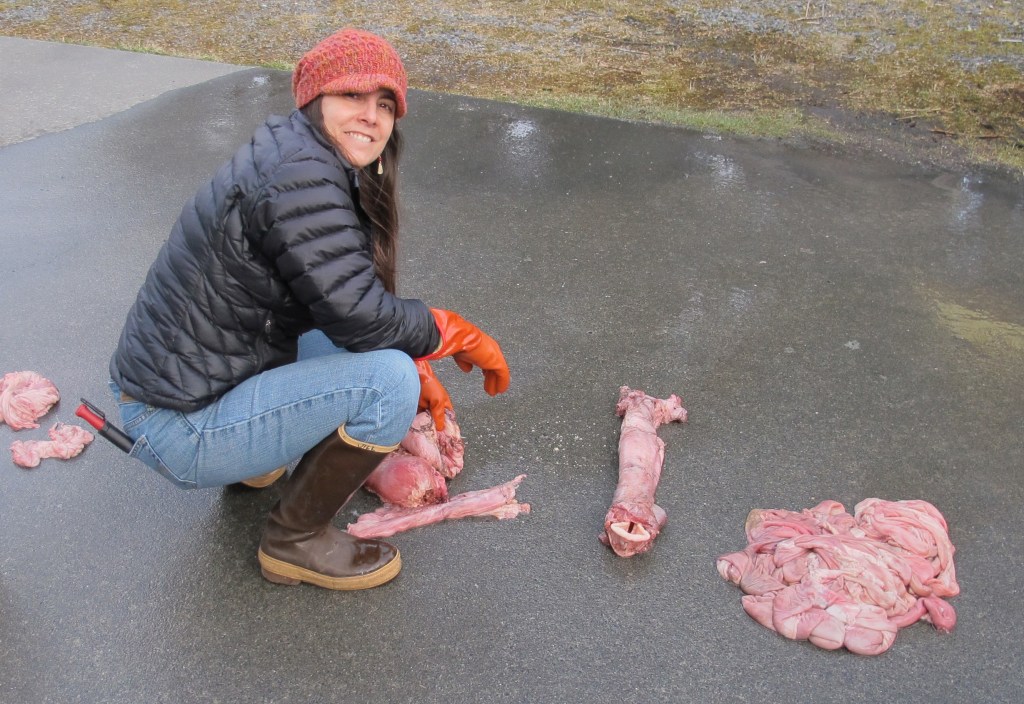
After pulling apart all the connective tissue (peritoneum) the process of scraping both the inside and outside of the gut is fairly straight forward. Through experimentation I figured out how to run water through the gut to turn it inside-out. This is fun and my neighbor’s kids and their cousins really enjoyed helping and watching the gut inflate with water.

When the intestines are scraped clean (down to the submucosa) they look a lot like pasta and in many parts of Alaska they are stuffed, cooked and eaten like any other sausage casing.
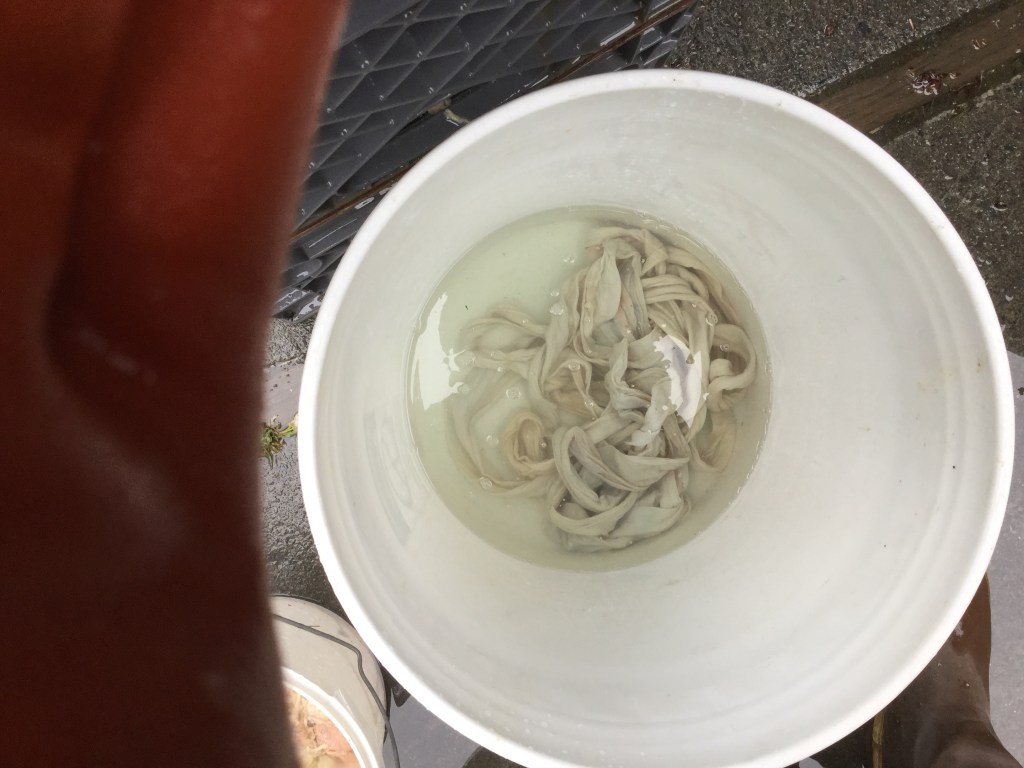
While sausage casing is common across the world, many indigenous peoples of the circumpolar north realized long ago the waterproof qualities of inner skins. Their use of gut skin in rain gear with waterproof stitches made daily life in the arctic and sub-arctic much easier. Hunters and berry pickers alike were able to keep warm and dry because of this outstanding material that can go from wet to dry many times without issue. Gut skin feels and stretches like a latex balloon when wet and is like Gortex.
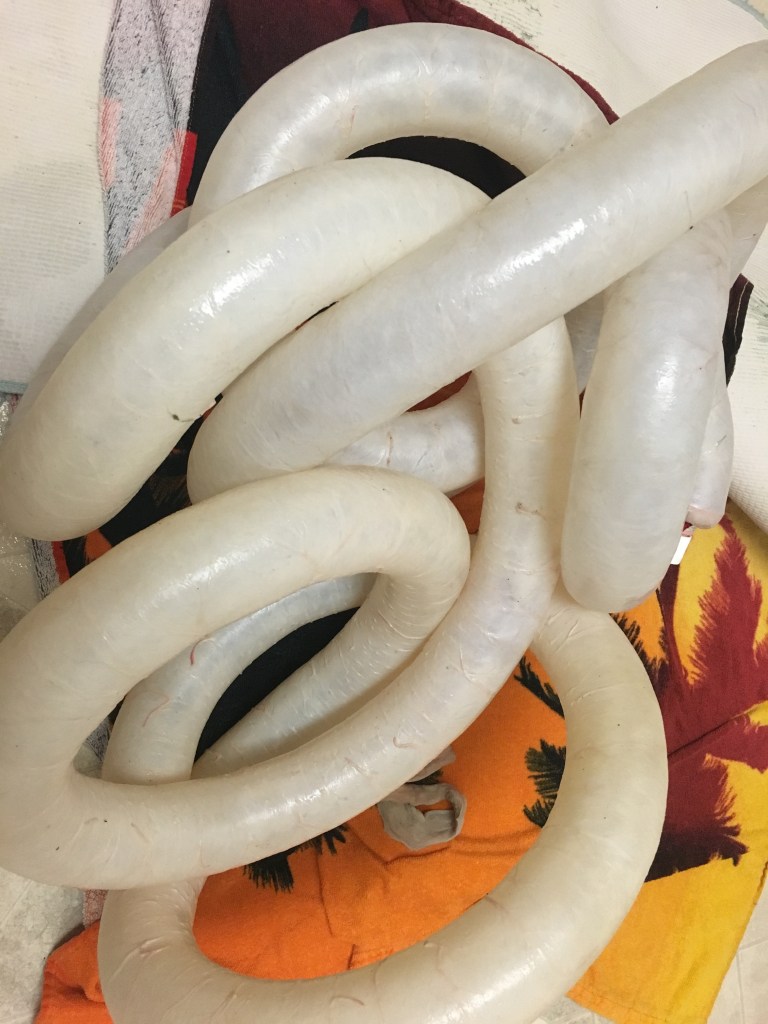
After cleaning the gut you simply inflate it, let it dry, and split the tube. In my experience, one Kodiak brown bear has about 70 ft of intestine.
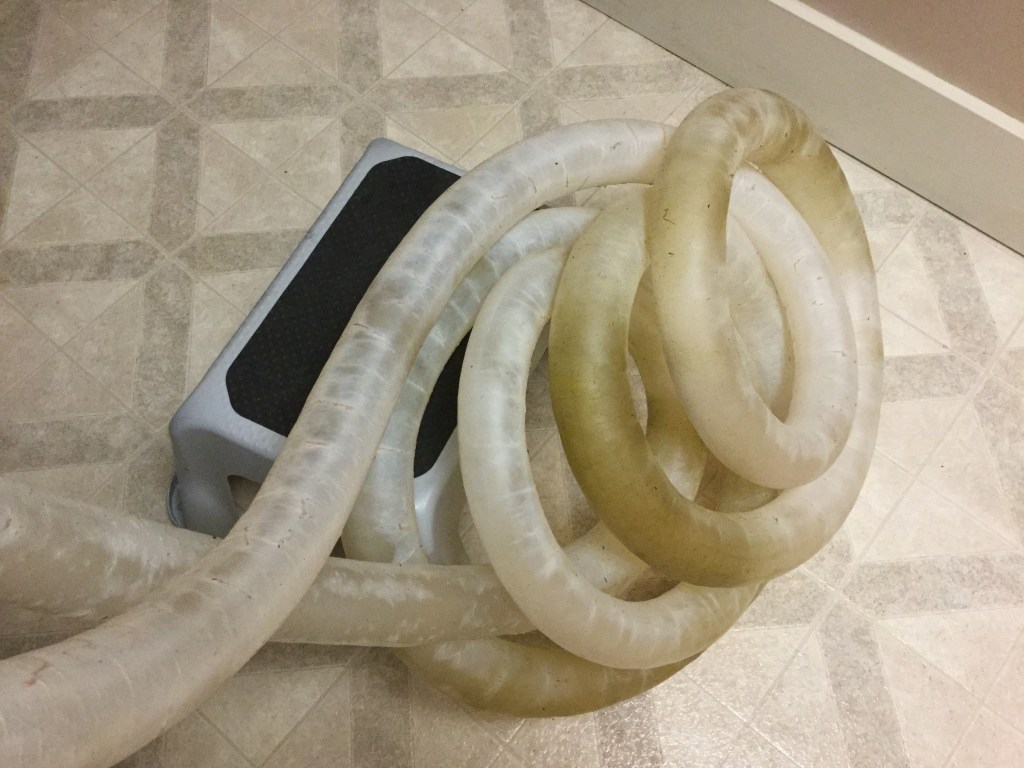
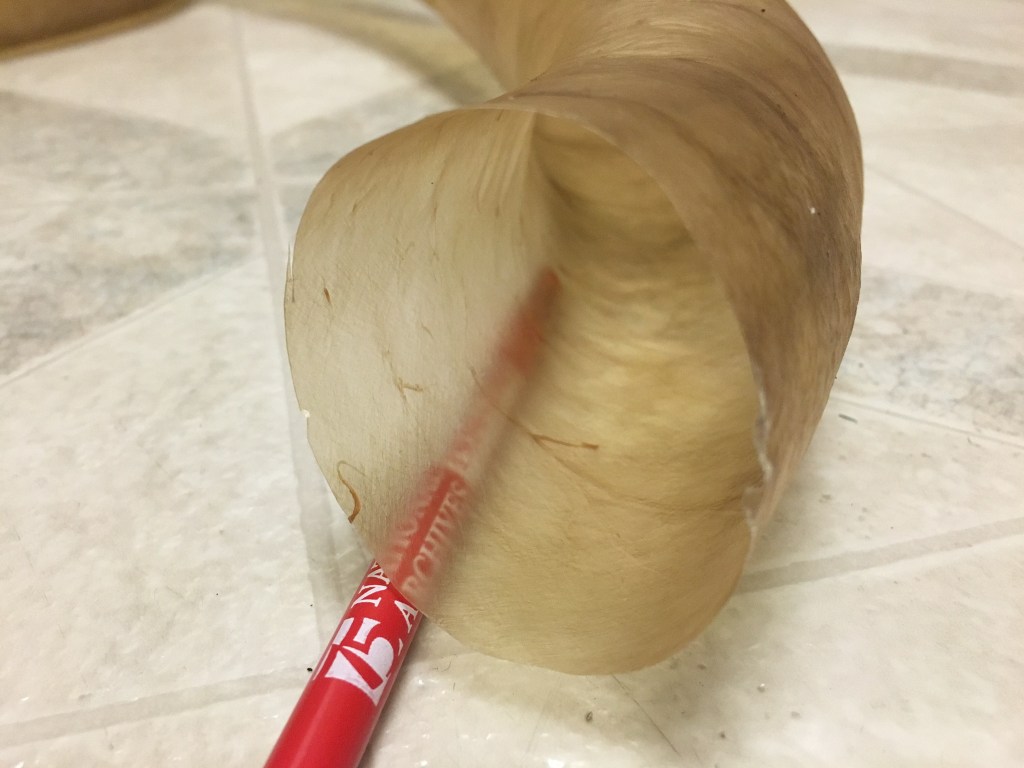
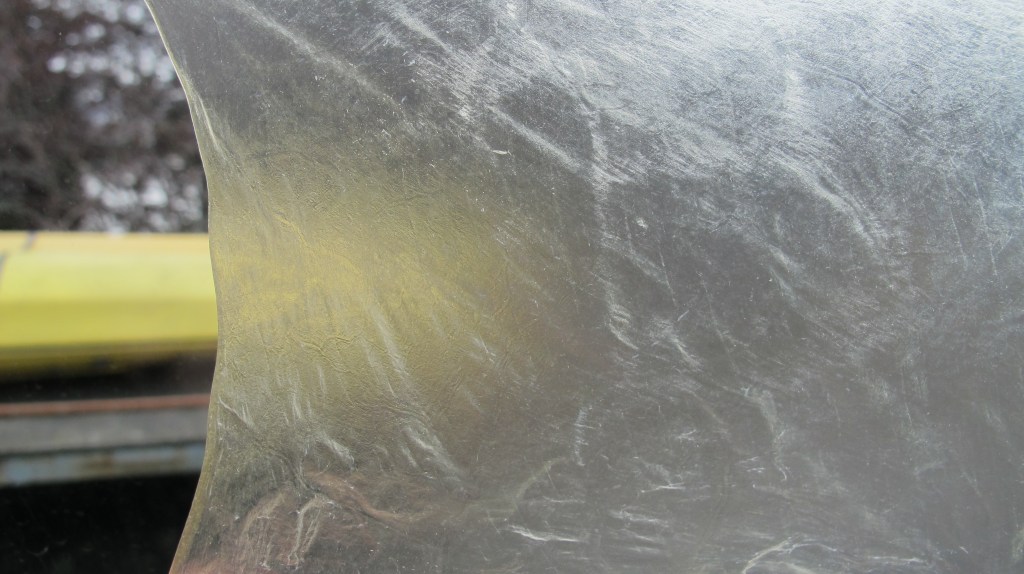
Clearly, I am a huge fan of inner skins and am thankful for the Elders who shared their knowledge with me as passing this on to the next generation matters.
Quyana! (Thank you)
© 2016 Jill HH Lipka. All rights reserved.
Updated version © 2023 Jill HH Lipka. All rights reserved.
 JILL HH LIPKA